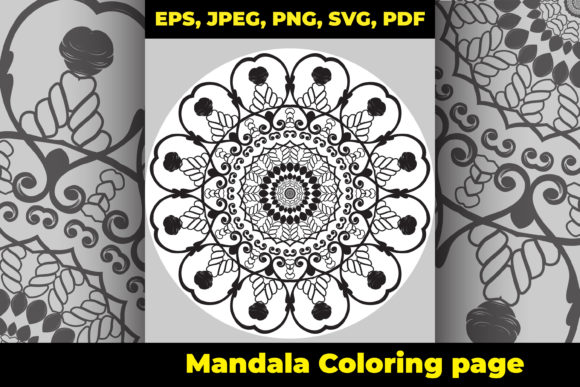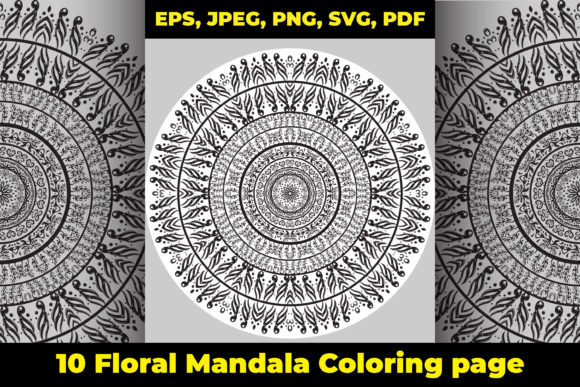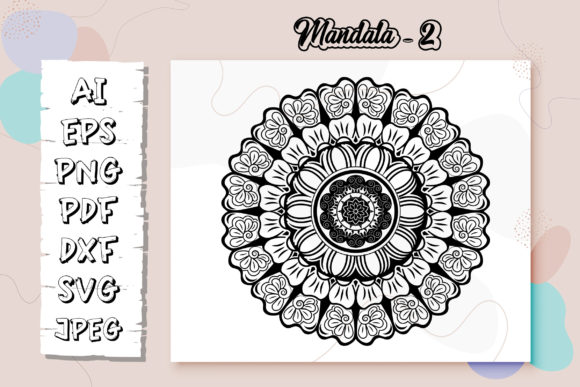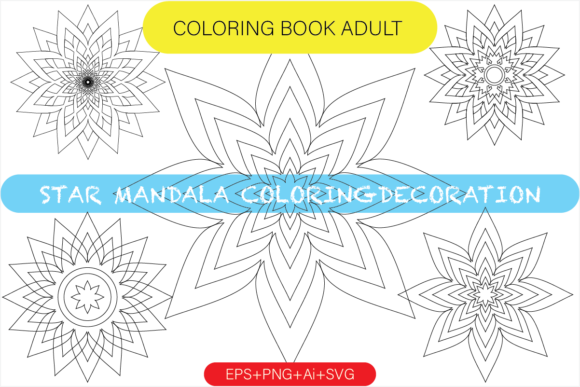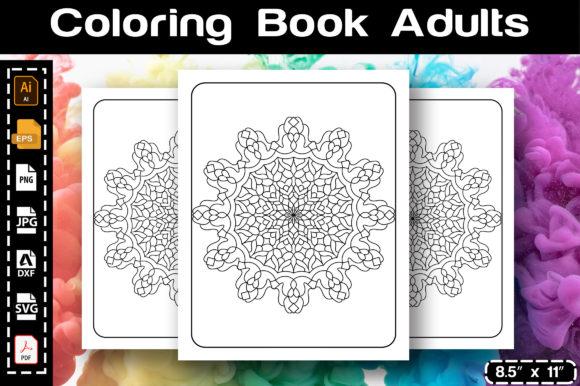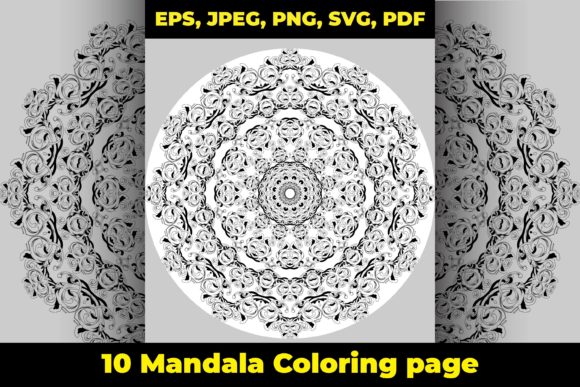
Ornamet Mandala Adult Coloring Page Bulk
When I first opened the Ornamet Mandala Adult Coloring Page Bulk bundle, I wasn’t looking for another coloring book interior. I was searching for a set of intricate, balanced mandala motifs that could translate beautifully into machine embroidery design work. These ten vector-based ornaments immediately felt like a quiet, confident starting point. The linework is clean, the symmetry is precise, and the overall mood leans toward the kind of meditative, handcrafted aesthetic that resonates with boutique buyers and gift shoppers alike.
As a designer who regularly tests new design assets for finished products, I know that a strong visual on screen doesn’t always mean a strong stitch-out on fabric. But the geometry here is generous without being overwhelming. That’s exactly what I want when I’m planning a project like a custom embroidered tote bag or a line of small-batch patchwork sweatshirts. The mandalas feel ornamental but not fragile — a trait that matters once thread tension, fabric texture, and wash cycles come into play.
First Look: Shape, Detail, and the Mood It Creates
Each mandala in the Ornamet Mandala Adult Coloring Page Bulk pack carries a different personality within the same ornamental family. Some lean botanical, with petal-like repeats and soft inner curves. Others feel more geometric, with crisp radiating lines that would read as strong satin stitch paths or precise fill stitch zones. The bundle gives you ten distinct variations, which means you can build a cohesive collection without everything looking like a copy. That’s gold for a craft business targeting return customers.
What I appreciate most is the visual weight. These aren’t ultra-fine, lace-like motifs that disappear on a medium-textured fabric or become a nightmare in a smaller hoop. The line thickness is consistent, and the negative space is generous enough to let the design breathe. That balance is crucial when you’re transforming a graphic into a digital embroidery file — you need enough density to create impact, but enough openness to avoid puckering and distortion.
Real Project Scenario: From Screen to a Custom Tote Bag
Let me give you a practical example. Last week, I was prototyping a set of linen tote bags for a local maker’s market. I wanted a design that felt artisanal, gender-neutral, and sophisticated enough to sell as a standalone personalized gift. I took one of the mandalas from this bundle — the one with a flower-like center and layered ring details — and digitized a test version using a simplified color palette of deep indigo and warm ochre.
On the screen, the design looked like a coloring page waiting to be filled. But after a few stitch-out tests on a mid-weight linen-cotton blend, it became a calm, confident focal point. The mandala’s outer ring worked as a tidy running stitch outline, while the inner sections translated into medium-density fill areas that held their shape without overwhelming the fabric. I could already picture the same design on a kitchen towel, a pillow cover, or even a lightweight denim apron. The ornament felt intentional, not like a forced graphic dropped onto a product.
Where This Design Feels Most at Home
Not every motif works everywhere. With the Ornamet Mandala Adult Coloring Page Bulk set, I see the strongest fit in projects that benefit from a touch of handcrafted elegance without being overly delicate. Think solid, everyday items that people use and see regularly:
- Tote bags and canvas shoppers — the circular layout sits beautifully centered or slightly off-center, and the design scale is flexible enough for large hoop sizes.
- Sweatshirt and hoodie backs — especially when stitched in a tonal thread color that catches light without screaming for attention.
- Embroidered patch projects — the mandala’s outer border naturally creates a patch shape, and you can easily add a merrowed edge or satin border.
- Pillow covers and tea towels — these are the kind of items where a mandala elevates a plain textile into a boutique-worthy product.
- Baby embroidery and nursery decor — softer, organic-feeling mandalas from the set can work on a onesie or a crib blanket, but only if you simplify the stitch count and choose a gentle thread palette.
I’d also use these for holiday embroidery gift sets, wedding keepsakes, and small shop merchandise that relies on a clean, recognizable brand look. The mandala shape is timeless, and when you choose thread colors that match your brand palette, it becomes a signature motif.
Where You Should Tread Lightly
No design is perfect for every surface. With these mandalas, I’d be cautious in a few scenarios:
- Small hoop sizes — if you try to squeeze a full mandala into a 4x4 inch hoop, the details will either close up or become too dense. Instead, use a central motif or a simplified ring section.
- Highly textured fabrics like thick terry cloth or loosely woven burlap — the fine lines and open spaces can get lost, and the registration suffers.
- Stretchy fabrics such as thin jersey — unless you stabilize aggressively and choose a lower stitch density, the design can distort after wear and washing.
- Dark fabrics — the mandala’s linework doesn’t have heavy fill by default, so if you stitch a light thread on black, the design may look floating. You’ll need to adjust underlay or add a subtle background fill.
- Curved surfaces like caps — the full circular mandala doesn’t always wrap well on a curved crown. I’d crop a section and use it as a side emblem instead.
These aren’t dealbreakers. They’re the kind of judgment calls that separate a smart craft business from a frustrated one. Test on scrap fabric, check thread color contrast, and review the stitch density before you commit to a final product run.
How the Design Affects Product Value and Buyer Perception
When a customer picks up a handmade item, the embroidery design is often the first thing they notice. A poorly digitized, overly dense, or visually cluttered motif can cheapen the entire product. The Ornamet Mandala Adult Coloring Page Bulk graphics, used thoughtfully, have the opposite effect. They frame a product with an air of quiet craftsmanship. The symmetry and repetition feel intentional, and that builds trust.
I’ve seen it happen with my own Etsy seller listings: items with mandala embroidery consistently attract higher engagement and longer listing views. The pattern feels giftable. It photographs well. It doesn’t fight with other design elements. For a small shop product or a boutique brand, this kind of design asset can become the backbone of a cohesive collection — use it across totes, pouches, napkins, and wall hangings, and suddenly your brand has a recognizable visual language.
From a commercial embroidery standpoint, the ability to scale and edit the vector files is a huge plus. While the bundle is originally positioned as Coloring Pages Amp content, the editable source files (Adobe Illustrator and EPS) mean you can adjust line weight, remove elements, or combine motifs before digitizing. That flexibility is essential when you’re preparing a design for different fabric textures or hoop limitations.
Practical Embroidery Designer Notes
Before you jump into a production run, here are a few steps I’d recommend after working with this bundle:
- Test on scrap fabric first. Even if the vector looks flawless, the way thread lays on a specific weave will change the final look. Do a quick stitch-out on a similar fabric to your final product.
- Check thread color contrast. Many mandalas rely on linework, so a thread that’s too close to the fabric color will disappear. I often test in black and white mockups to see if the design holds its silhouette.
- Review stitch density. The gorgeous open spaces in the coloring page may need a light underlay or a slightly bolder stitch path to read clearly on fabric. Don’t be afraid to adjust the density in your digitizing software.
- Confirm your hoop size. Measure the design’s intended dimensions before you digitize. Some of these mandalas are large and complex; you may need to isolate a portion for smaller hoops.
- Use proper stabilizer. With open, circular designs, a cutaway stabilizer on knits and a tear-away on wovens can prevent shifting and puckering.
- Test on both light and dark fabrics. The design’s visibility changes dramatically. If you plan to sell on multiple fabric colors, digitize a version with adjusted underlay or a subtle background fill for darker options.
- Check licensing before selling finished items. The bundle is marketed as a KDP interior, but when you use the graphics to create embroidery file designs for commercial products, you need to verify that the license allows it. I always reach out to the creator or read the terms carefully. If it’s unclear, assume you need an extended license for physical product sales.
Who Will Get the Most Out of This Bundle
If you’re an embroidery designer, small business owner, craft fair vendor, or digital product seller who creates your own embroidery files, the Ornamet Mandala Adult Coloring Page Bulk is a resource worth keeping. It’s not a finished embroidery file — you’ll need to digitize it yourself or hire a digitizer. But the raw vector material is clean, well-structured, and full of the kind of ornamental detail that translates well to stitched work.
For printable mockup creators, the same graphics can be used to stage product previews, giving your listings a consistent, elegant look. I’ve used similar mandalas to create flat-lay mockups of tote bags and pillows, and the style instantly signals “handmade” and “artisanal” to buyers.
Ultimately, this bundle is a quiet, versatile tool. It won’t shout for attention, but it will give your projects a grounded, thoughtful presence. When I look at the ten mandalas, I see ten potential product lines, ten gift collections, ten ways to make a simple textile feel like a keepsake. And that’s exactly the kind of design asset I keep coming back to.