Rottweiler Coloring Page: A Dog Crafts Asset Review
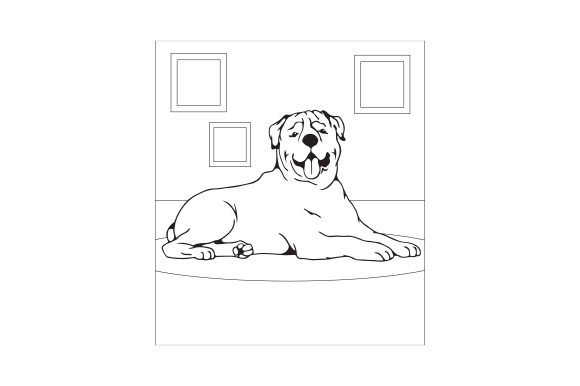
When I first opened the Rottweiler Coloring Page file set, I immediately recognized it as a niche asset with real commercial potential. This isn't a generic dog illustration thrown together for quick sales. The design carries a bold, confident personality that matches the breed itself. As someone who has tested hundreds of digital products across Etsy, Creative Fabrica, and print-on-demand platforms, I look for assets that solve a specific customer need. This one targets a passionate audience — Rottweiler owners, dog lovers, and crafters who want breed-specific designs that feel authentic rather than cartoonish or overly simplified.
The visual personality leans toward a strong, structured, and slightly rugged aesthetic. The linework is deliberate, giving the design a hand-drawn feel that appeals to buyers searching for printable design options with character. This isn't a delicate or feminine piece. It carries weight, making it suitable for merchandise that needs to feel substantial. I can easily picture this on a sturdy canvas tote, a workshop apron, or a bold t-shirt graphic. The mood is grounded, loyal, and protective — exactly the emotional connection Rottweiler enthusiasts respond to.
Why Niche-Specific Dog Designs Sell Better Than Generic Clipart
After years of selling in the creative marketplace, I've learned that broad-appeal designs rarely outperform niche-focused ones. A general dog silhouette might get casual browsers, but a breed-specific Rottweiler Coloring Page attracts buyers who search with intent. These customers know exactly what they want. They're not scrolling randomly. They're typing "Rottweiler SVG" or "Rottweiler coloring book" into search bars, and they're ready to purchase when they find the right match. This behavioral difference translates into higher conversion rates and fewer returns or complaints.
The Dogs category is saturated with chihuahuas, golden retrievers, and French bulldogs. Rottweilers occupy a narrower lane with less competition. For a seller building a design bundle or a themed collection, this asset fills a gap that many competitors overlook. Pair it with other working breeds, guardian dogs, or German breeds, and you suddenly have a curated collection that tells a story. That's the kind of brand identity building that keeps customers coming back.
File Format Breakdown for Real-World Product Creation
The product delivers four core formats: SVG, Transparent PNG, EPS, and DXF. Each serves a different production workflow, and understanding those differences determines how far you can stretch this asset commercially.
The SVG design is the workhorse for Cricut and Silhouette users. When I tested the SVG in Cricut Design Space, the cut lines registered cleanly without excessive nodes that cause ragged edges. This matters enormously for Cricut project applications like vinyl decals, heat transfer vinyl for apparel, and cardstock crafts. A poorly constructed SVG with too many anchor points creates jerky blade movements and rough cuts. This file performed smoothly in my test cuts.
The Transparent PNG offers immediate usability for sublimation and print work. The resolution was high enough to place directly onto a t-shirt design mockup without visible pixelation at standard print sizes. The transparency channel was clean around the edges, which is critical for layering onto colored backgrounds or patterned surfaces. I've received PNG files from other suppliers where the transparency had residual white halos. This one didn't show that issue in my tests.
The EPS format provides scalability for print professionals and those working in Adobe Illustrator. It's the format I'd use for scaling the design to large-format items like signage or oversized wall art. The DXF format caters to users with older cutting software or specific CNC workflows. While fewer crafters use DXF directly, including it signals that the creator understands the broader crafts ecosystem.
Testing the Asset Across Product Mockups Before Listing
Before any design goes live in my shop, I run it through a practical testing workflow. For this Rottweiler Coloring Page, I placed it on five different product mockups to evaluate its real-world performance. The results were uneven, which is exactly what I expected. No single design works universally.
On a white ceramic mug, the design popped with crisp contrast. The linework held its integrity, and the overall composition felt balanced. This is a strong candidate for a mug design listing, especially for the "proud Rottweiler parent" demographic. On a black t-shirt mockup, the design needed inversion to white lines, which the SVG format handled easily. The result was striking and would appeal to the alternative apparel market within the dog lover community.
On a small sticker mockup, the design felt cramped. The detail level that works beautifully at six inches becomes muddy at two inches. I'd avoid marketing this as a sticker design for small planner decals or tiny laptop stickers. The sweet spot for this asset is medium to large format products where the linework can breathe.
On a tote bag mockup, the design looked substantial and premium. The sturdy breed paired with a sturdy product created a cohesive visual message. I'd confidently list this as a print-on-demand tote bag option. On a digital planner insert, the design needed to be scaled down significantly, and some fine details became hard to distinguish. This is a consideration for Canva template sellers who might want to incorporate it into smaller digital layouts.
Where This Design Shines in a Commercial Product Line
After testing, I identified several high-confidence product categories for this graphic design asset. The strongest applications include printable wall art, where the coloring page format invites customer participation. Buyers purchase a digital download, print it at home, and color it themselves. This interactive element adds perceived value. Listing it as part of a coloring book bundle or a breed-specific collection would be a natural fit.
Sublimation apparel is another strong category. The design transfers well to polyester fabrics and retains its detail through the heat press process. For sublimation design sellers, this opens up t-shirts, hoodies, socks, and even pillow covers. The bold lines give the finished product a hand-illustrated look that mass-produced clipart can't replicate.
Vinyl decals for car windows, laptops, and water bottles represent a third viable category. The SVG cut quality supports clean weeding, which is essential for small business branding on physical products. A poorly weeded decal leads to negative reviews. A clean cut leads to repeat customers. This design supports the latter.
Where Caution Is Needed Before Publishing
Not every product category suits this design, and honest sellers should recognize those limitations. The fine linework that gives the design its character also makes it unsuitable for low-resolution print products. If you're creating a digital paper pack or a pattern tile where the design repeats at small scale, the detail will blur. This isn't a flaw in the design. It's a mismatch between asset and application.
For scrapbooking kits and layered paper crafts, the design works as a focal element but not as a background pattern. The weight of the composition demands attention. Placing it alongside busy decorative elements creates visual competition that weakens the overall design. I'd use it as a hero piece on a layout rather than a supporting element.
Text-heavy templates also require careful handling. If you're designing a Canva template for an invitation or greeting card, the Rottweiler Coloring Page needs breathing room. Crowding text around it reduces readability and diminishes the impact of both the illustration and the message. I'd position the design as the primary visual with minimal, well-spaced typography.
How to Organize and Deliver Files for a Professional Customer Experience
Customer satisfaction in the digital download space depends heavily on file organization. When I prepare a product listing for this asset, I rename the files clearly before uploading. Generic filenames frustrate buyers. Descriptive filenames reduce support requests. I'd structure the download folder with subfolders for each format, include a simple text file with usage tips, and ensure the PNG preview image accurately represents the design.
I also test the files on multiple devices before publishing. An SVG that opens perfectly on my computer might not render correctly on a buyer's tablet or older software version. Checking compatibility across platforms catches issues before they become refund requests. For this design, I tested the SVG in Cricut Design Space, Silhouette Studio, and Inkscape. The file opened correctly in all three environments.
Font Pairing Ideas for Complementary Typography
If you're combining this design with text — for a greeting card, poster, or social media graphic — the font choice shapes the overall feel. A bold sans serif font reinforces the strong, modern character of the Rottweiler illustration. A rough handwritten font adds a personal, handcrafted quality that suits the handmade business aesthetic. A clean serif font introduces contrast and elevates the design toward a more premium, gallery-style look. Avoid overly decorative script fonts that clash with the sturdy personality of the illustration.
For social media graphics and promotional visuals, I'd pair this design with a short, impactful phrase set in a condensed display font. Something like "LOYAL" or "PROTECTOR" in all caps creates a cohesive brand statement. The visual hierarchy remains clear: the illustration anchors the composition, and the typography supports without overwhelming.
Commercial Licensing and the Importance of Verification
Before selling any finished product that incorporates this commercial design, I verify the license terms. The ability to use an asset in physical merchandise, digital products, or print-on-demand items depends on the license provided by the original creator. Never assume the included license covers all commercial uses. Check whether the license permits use on products for resale, whether there are quantity limits, and whether attribution is required. This due diligence protects your small business branding from legal complications down the line.
For sellers operating across multiple platforms — Etsy, Shopify, Amazon Merch, Redbubble — consistent licensing compliance builds a sustainable business foundation. One overlooked restriction can lead to takedown notices, account flags, or worse. I treat license verification as a non-negotiable step in my product development workflow.
Building a Collection Around a Single Strong Asset
A single design rarely sustains a shop. But a single strong design can anchor a collection. The Rottweiler Coloring Page works as a starting point for a breed-specific product line. Add coordinating elements — a paw print pattern, a breed name word art design, a simplified silhouette version — and you've created a design bundle with higher perceived value and a higher price point.
This bundling strategy works well on creative marketplace platforms like Creative Fabrica and Design Bundles, where customers expect curated collections. It also performs well on Etsy, where listing a bundle alongside individual items creates tiered pricing options that capture different customer segments. The customer who only wants a single coloring page buys one listing. The customer who wants the complete Rottweiler collection buys the bundle. Both transaction types strengthen your shop's revenue and visual hierarchy in search results.
Final Seller-to-Seller Perspective
After testing the Rottweiler Coloring Page across multiple mockups, formats, and product categories, I consider it a practical addition to a dog-themed crafts product line. The design delivers on the breed-specific promise that attracts intent-driven buyers. The file formats cover the major production workflows that Etsy product sellers and print-on-demand creators need. The limitations are not flaws but rather boundaries that define where this asset performs best.
For sellers who understand their niche, who test before publishing, and who build collections rather than single listings, this digital product offers genuine commercial utility. The Rottweiler community is loyal and active. Give them a design that respects the breed's character, and they'll respond with purchases, reviews, and word-of-mouth promotion. That's the kind of customer relationship that turns a simple printable design into a reliable revenue stream.